We are delighted to have been awarded a research grant by the Andlinger Center for Energy and the Environment.
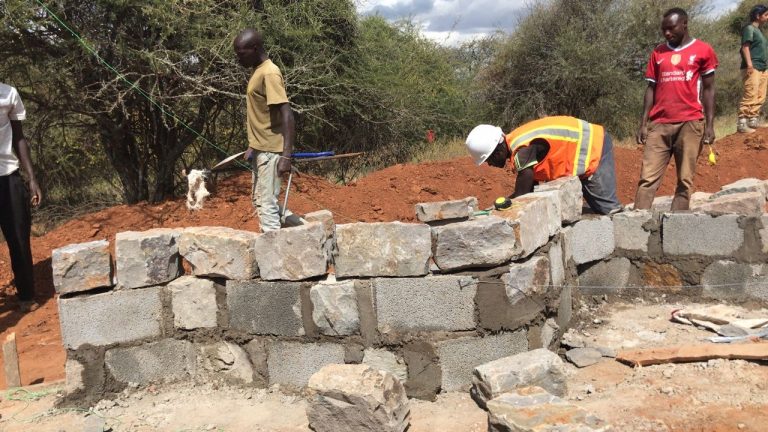
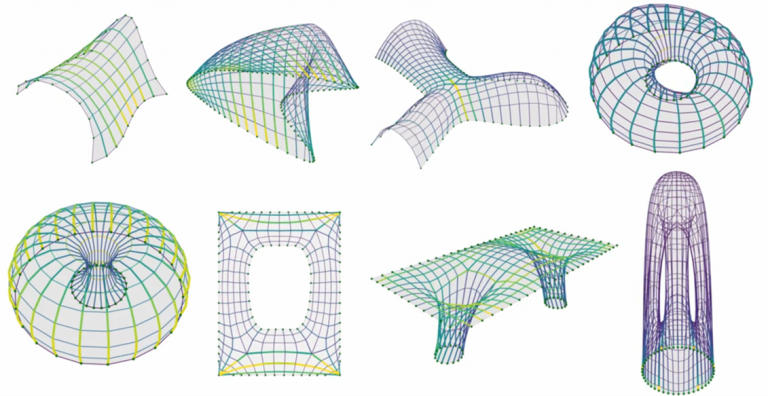
Buildings and infrastructure account for nearly one-third of global CO₂ emissions, with loadbearing systems representing the largest share of embodied carbon due to their reliance on newly manufactured materials. This project develops a structural engineering and construction framework that enables reclaimed masonry (bricks and irregular stones) to function as primary loadbearing elements through a combination of computational design and augmented-reality assisted construction. These methods will be validated through a full-scale demonstrator co-developed with Skidmore, Owings & Merrill and the International Masonry Institute. The practical implications are significant for the architecture, engineering, and construction (AEC) industry. By transforming discarded masonry units into high-value structural components, the framework reduces material waste, lowers embodied carbon, and enables circular construction practices. Reuse strategies can avoid hundreds of kilograms of CO₂ emissions per square meter of building area, translating to tens to hundreds of tons of carbon savings per building. Beyond environmental benefits, the project strengthens workforce skills by integrating digital guidance with craft-based construction methods. Collectively, the research establishes a scalable pathway for integrating reclaimed materials into mainstream structural engineering, advancing decarbonization goals while expanding sustainable construction practices across industry and society.