Our AI research develops physics-informed and constrained methods for the design and analysis of structural systems, linking form, geometry, and mechanical performance. By embedding mechanics into machine learning models, we support inverse design and form-finding processes that remain consistent with governing equations, loading conditions, and constraints. Central to our approach is the human-in-the-loop: designers and engineers actively guide, interpret, and shape the design process leveraging machine learning methods. This synergy between physics, data, and human intuition fosters more creative pathways to structural innovation.
Current: Constructing Curvature
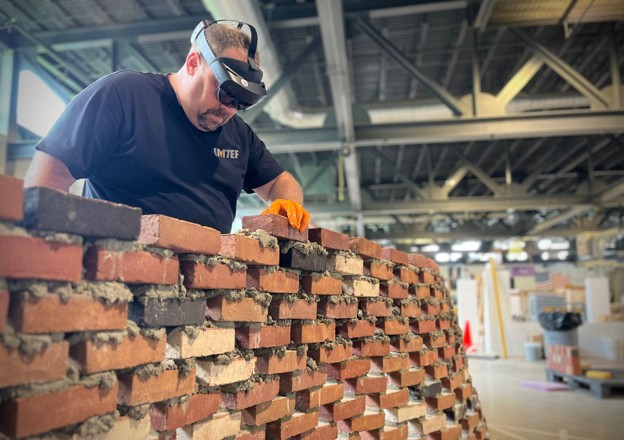
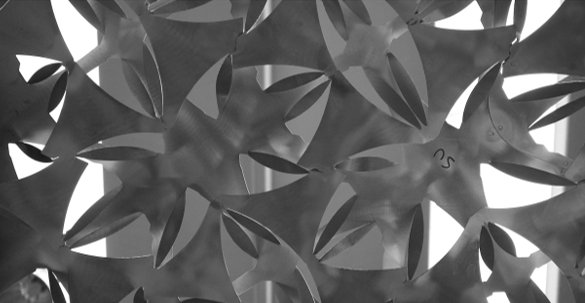
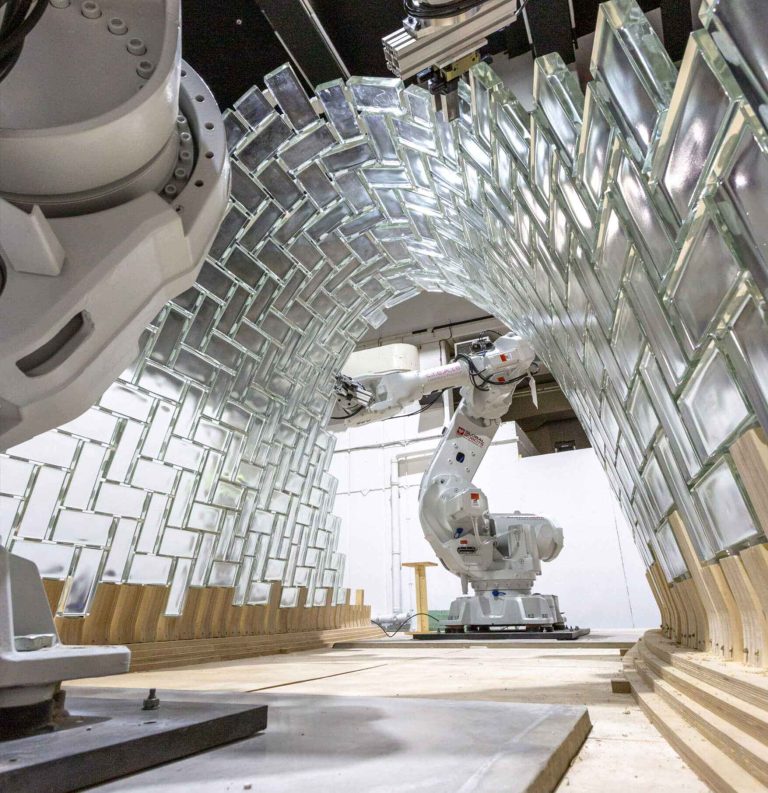
Our construction research investigates how emerging technologies and material systems transform the realization of slender structural surfaces. We integrate robotics and augmented reality into design-to-build workflows for complex curved geometries, which are prone to buckling due to geometric imperfections and are typically constructed from straight or volumetric elements. At the material and structural scale, we explore embedded deployment intelligence and packing efficiency in kirigami and origami systems, alongside elastic rod networks. Through full-scale demonstrators and field projects, including ongoing work in Mpala, Kenya, we test these approaches in real-world contexts, advancing construction methods that are efficient, sustainable, and responsive to local conditions.